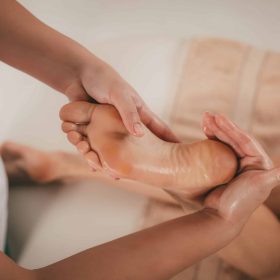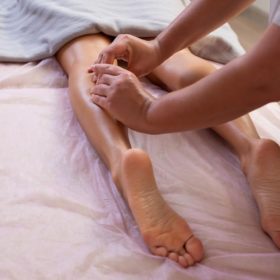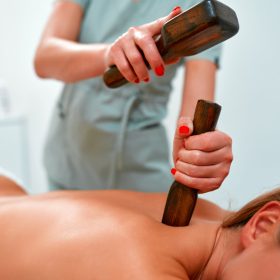
One of the masseuses performs massage for pregnant women up to 7 months.
But it is a different type of massage, as always, each person and need is different, and this is the case with this type of massage. A pregnancy massage is more of a relaxing massage without much pressure.
Pregnant women cannot lie face down on the massage table, so the masseuse will use a special chair to perform the massage on the back, especially the neck and shoulders, avoiding pressure on the lower back. Then she will lie down on her back on the table to receive the massage on the rest of the body.
The electric massage table is very comfortable, and you will have no problem going up or down.
Prenatal massage is a technique that has gained a lot of popularity in recent years due to the many benefits it can provide for women during pregnancy. This type of massage is a safe and effective way to relieve muscular tension, reduce back pain, improve blood circulation, and provide relaxation time for the mother. In this article, we will explain everything you need to know about prenatal massage, including when it can be given, the benefits it offers, and the areas where massage is not recommended.
When can prenatal massage be given?
Prenatal massage can be performed at any time during pregnancy, although some moments are more suitable than others. Generally, it is recommended to start receiving prenatal massages after the first trimester, around week 12 of gestation. This is because the first three months of pregnancy are a critical time in fetal development, and many women may experience nausea or vomiting during this time. After the first trimester, it is safe to receive massages as long as the pregnancy is low-risk.
During the second trimester, women may begin to feel more discomfort and pain due to the growth of the fetus. At this time, massage can be especially beneficial in relieving muscular tension and back pain. During the third trimester, massage can help prepare the body for childbirth, reduce edema in the legs and ankles, and improve blood circulation.
In any case, it is important to talk to a doctor before starting any massage therapy during pregnancy, especially if the mother has a high-risk pregnancy.
Benefits of prenatal massage
Prenatal massage can offer a wide range of benefits for the mother and fetus. Some of the main benefits include:
-
Relieves pain and muscular tension: As the body changes during pregnancy, muscular pains and tensions can arise in various parts of the body. Prenatal massage can help alleviate these discomforts and improve the mother’s overall comfort.
-
Reduces stress and anxiety: Pregnancy can be a time of great anxiety for many women. Prenatal massage can help reduce stress and anxiety levels, which can improve the mother’s mood and reduce the risk of postpartum depression.
-
Improves blood circulation: Prenatal massage can improve blood circulation in both the mother and fetus, which can increase the supply of nutrients and oxygen to the growing fetus.
-
Increases flexibility: Prenatal massage can help improve the mother’s flexibility, which can be beneficial during childbirth.
-
Improves sleep: Prenatal massage can help the mother sleep better, which can be especially useful during the third trimester of pregnancy when sleep can be difficult due to the size of the uterus and discomfort.
-
Improves emotional well-being: Prenatal massage can help the mother feel more connected to her body and growing baby, which can improve her emotional well-being and the relationship with her baby.
When not to give prenatal massage
Although prenatal massage is generally safe and beneficial for most pregnant women, there are some situations in which it is not recommended or the opinion of a doctor should be sought before receiving a prenatal massage. Some of these situations include:
-
Vaginal bleeding or uterine contractions: If the pregnant woman is experiencing vaginal bleeding or uterine contractions, prenatal massage should be avoided.
-
High blood pressure: If the pregnant woman has high blood pressure, the opinion of a doctor should be sought before receiving prenatal massage.
-
Gestational diabetes: If the pregnant woman has gestational diabetes, the opinion of a doctor should be sought before receiving prenatal massage.
-
History of miscarriages: If the pregnant woman has had miscarriages in the past, the opinion of a doctor should be sought before receiving prenatal massage.
-
Preeclampsia: If the pregnant woman has preeclampsia, the opinion of a doctor should be sought before receiving prenatal massage.
-
Infectious diseases: If the pregnant woman has an infectious disease.
In the second trimester, which runs from week 13 to week 27, massage can be more vigorous and gentle stretching techniques can be performed. During this trimester, the fetus is more stable and the mother generally feels more comfortable. In addition to relieving muscle aches and pains, massage during the second trimester can also help improve circulation and reduce swelling.
In the third trimester, which runs from week 28 until delivery, massage should be gentler and focused on pain relief and stress reduction. During this trimester, the mother may feel more uncomfortable due to the size and weight of the fetus, so massage can help reduce tension and pressure on the joints and muscles. However, it is important to keep in mind that some positions may be uncomfortable or even painful for the mother, so work closely with the therapist to ensure that the correct positions and techniques are being used.
Benefits of prenatal massage
Benefits of massage for pregnant women
Pregnancy massage can provide a variety of both physical and emotional benefits for the mother and fetus. Some of the physical benefits include:
- Relief of muscle and joint pain: Weight gain and change in the center of gravity can put great strain on the mother’s joints and muscles, especially in the back, hips and legs. Massage can help relieve tension and reduce pain in these areas.
- Improved circulation: massage can help improve blood and lymphatic circulation, which can reduce swelling in the legs and feet.
- Reducing stress and anxiety: Massage can help reduce stress and anxiety in the mother, which can be beneficial for both the mother and the fetus. High levels of stress can affect the mother’s health and increase the risk of complications during pregnancy.
- Improved sleep: massage can help improve sleep quality and reduce common sleep disturbances during pregnancy.
In addition to the physical benefits, pregnancy massage can also provide emotional benefits, such as increased relaxation and connection with the fetus.
When not to give a massage for pregnant women
Although pregnancy massage can be beneficial for many pregnant women, there are some situations in which massage should be avoided or postponed. Some of these situations include:
- High-risk pregnancy: if the mother has medical complications such as gestational diabetes, pre-eclampsia or placenta previa, massage should be avoided.
- History of miscarriage: if the mother has a history of miscarriage, massage should be avoided during the first trimester.
- Infections or illnesses: if the mother has infections or illnesses